The Art of Cross Processing Film
T.K. Broecker / 1 March 2026
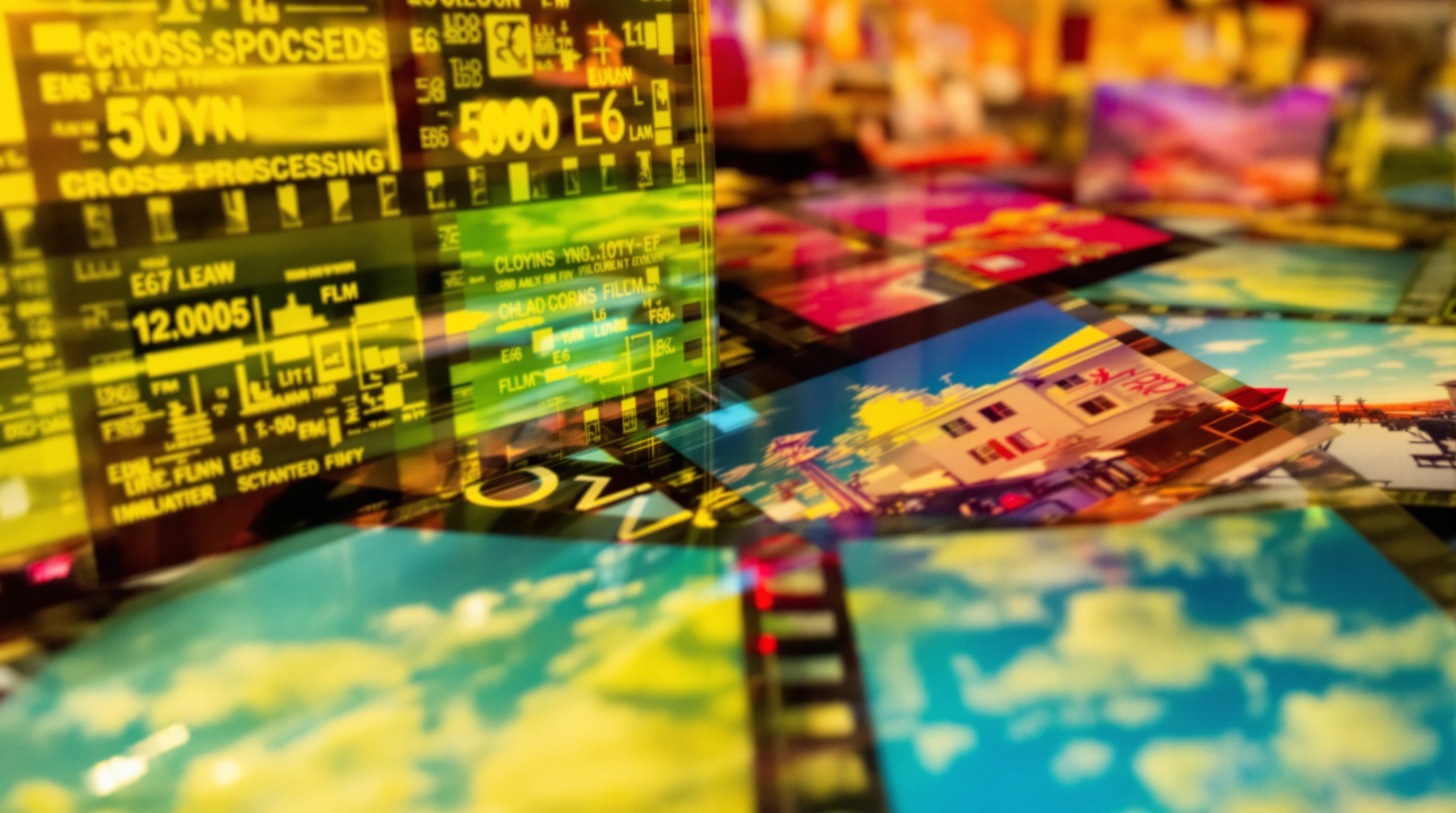
Cross Processing Film in Kentucky: C-41 vs E-6, Color Shifts, & Lab Tips
Cross processing is a creative film development technique that involves deliberately processing film in chemicals intended for a different type of film. This experimental approach, popular among analog photography enthusiasts, produces unique color shifts, enhanced contrast, and unexpected results that digital filters struggle to authentically replicate. Whether working with 35mm, 120 format, or even disposable cameras, cross processing offers a distinctive aesthetic that has captivated photographers for decades.
Understanding Cross Processing Basics
Cross processing typically involves two main film types: C-41 (color negative) and E-6 (color slide/positive). The standard development path is to process C-41 film in C-41 chemicals and E-6 film in E-6 chemicals, but cross processing intentionally switches these pathways:
E-6 in C-41 chemicals (most common)
Creates images with increased contrast, often with a strong yellow/green color shift and saturated highlights
C-41 in E-6 chemicals (less common)
Produces more subtle effects with reddish tones and muted colors
Dramatic Results in Different Film Formats
35mm Cross Processing Results
The smaller 35mm format tends to showcase the dramatic color shifts most intensely. Popular slide films like Fuji Velvia, when cross-processed in C-41 chemicals, display vibrant magenta and green hues with exaggerated grain structure. Many photographers specifically seek out expired 35mm slide film for cross processing, as the degradation of the emulsion over time can amplify these unpredictable effects.
120 Medium Format Cross Processing
The larger negative size of 120 film produces more nuanced cross-processed results with finer detail retention. The increased surface area means the chemical effects distribute more evenly, often resulting in subtler color shifts but maintaining the characteristic contrast boost. Medium format cameras like Hasselblads or Mamiyas paired with cross-processed film like Kodak Ektachrome or Fuji Provia create images with a dreamlike quality while preserving remarkable sharpness.
Disposable Camera Experimentation
Even disposable cameras can be cross-processed. Most contain C-41 film, which can be processed in E-6 chemicals for a more muted effect with reddish tones. This budget-friendly approach has become popular among experimental photographers seeking unique results without investing in expensive equipment.
Mastering Color Shifts and Contrast
The signature characteristic of cross-processed film is its distinctive color shifts and contrast alterations:
The Legendary Yellow-Green Shift
When E-6 films are processed in C-41 chemicals, they typically develop a prominent yellow-green shift. This occurs because the color-forming dyes in slide film react differently to C-41 chemistry, causing greens to become more prominent and blues to shift toward cyan. This effect varies dramatically by film stock:
- Fuji Provia tends to produce intense green-yellow shifts
- Kodak Ektachrome often yields more balanced results with slightly less extreme coloration
- Agfa slide films (now discontinued but still available expired) create unique purple-green combinations
Contrast and Saturation Enhancement
Cross processing significantly increases contrast by compressing the tonal range and creating more pronounced differences between highlights and shadows. This technique also boosts color saturation, making hues more vibrant and intense. Photographers can control these effects by:
- Adjusting exposure (overexposing by 1/2 to 1 stop often produces more balanced results)
- Selecting specific film stocks known for their cross-processing characteristics
- Modifying development times (shorter times can reduce contrast)
Safe Cross Processing Techniques and Local Lab Options
Cross Processing Safety Considerations
- Always inform your lab that you want cross processing before submitting film
- Be aware that some modern labs may refuse cross processing as it introduces chemical contaminants into their standardized processes
- For home developers, maintain separate chemical baths for cross processing to avoid contaminating your standard chemistry
- Consider temperature control—cross processing often works best at the standard temperature for the chemicals being used, not the film
- Start with a test roll to establish expectations before committing more valuable shots
Kentucky Lab Resources
- The Darkroom Louisville offers custom cross processing services with experienced technicians familiar with various film stocks
- Lexington Film Lab provides cross processing with detailed notes on results for future reference
- Old School Photo Lab (mail order service that Kentucky photographers frequently use) specializes in experimental film processes including cross processing
- The Print Refinery Louisville East offers film developing and scanning services and is a convenient option for photographers across Kentucky — including those in Ashland, Owensboro, and other areas without a specialty lab close by — who want professional handling and quality scans returned with their negatives.
Photographers throughout Kentucky looking to experiment without driving to a lab can also order film processing online and mail in their rolls. According to DIY Photography, mail-in labs have become one of the most practical options for analog shooters in areas without local specialty processing. For more on how film photography techniques like this fit into the broader analog revival, the art and science of film photography in the digital age is worth a read.
Conclusion
Cross processing remains one of film photography's most distinctive creative techniques, offering results that digital photography struggles to authentically replicate. The unpredictable magic of watching yellow-green shifts emerge from slide film or seeing contrast dramatically transform ordinary scenes keeps photographers experimenting with this technique decades after its discovery. Whether you're using a professional lab in Kentucky or carefully developing at home, cross processing continues to create some of analog photography's most memorable and visually striking images.